Vitality Balance
Reflexology, Vitamin and wellness Injections in Ellesmere Port
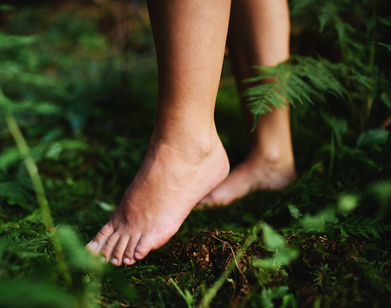
Reflexology in Ellesmere Port
A relaxing, personalised treatment designed to support your overall wellbeing.
Reflexology is a gentle complementary therapy that uses targeted pressure on specific reflex points, most commonly on the feet or hands. It is based on the principle that these areas correspond with different parts of the body and can provide a deeply relaxing experience.
At Vitality Balance, every treatment is tailored to you, providing dedicated time to relax, unwind and focus on your wellbeing.
Reflexology appointments
60-minute Foot Reflexology — £40
Hand reflexology and shorter taster sessions are also available.
Mobile appointments are available.
Why choose Nicola/Vitality Balance?
Qualified reflexologist
NMC-registered nurse
One-to-one personalised appointments
Ellesmere Port based
Mobile appointments available
Fully insured
Is reflexology the same as massage?
Reflexology and massage are different treatments. While massage generally works directly with muscles and soft tissues, reflexology uses targeted pressure on specific reflex points, usually on the feet or hands.
You remain fully clothed during a reflexology treatment, apart from removing your shoes and socks for foot reflexology, and the treatment is designed to provide a calm and relaxing experience.
Foot Reflexology
Foot reflexology is the most commonly practised form and focuses on specific reflex points on the feet that correspond to different areas of the body. Treatment involves applying gentle pressure techniques to these points, helping to stimulate circulation, reduce tension, and encourage the body to rebalance.
Hand Reflexology
Hand reflexology works in a similar way but uses reflex points on the hands. It can be particularly beneficial for those who may be sensitive to foot treatments or prefer a more accessible option. It is also a convenient way to experience reflexology in a shorter session.
Fertility Support
Reflexology may support individuals on their fertility journey by promoting relaxation, reducing stress, and supporting hormonal balance. While it is not a treatment for infertility, it can be used alongside medical care to support overall wellbeing during this time.
Menopause Support
During menopause, many people experience symptoms such as hot flushes, sleep disturbances, and mood changes. Reflexology may help support relaxation, improve sleep quality, and promote a sense of balance during this transitional stage.
Palliative Care
Reflexology can be a gentle and supportive therapy within palliative care settings. It focuses on comfort, relaxation, and emotional wellbeing, helping to reduce stress and promote a sense of calm.
General Benefits
Reflexology is often used to support a wide range of wellbeing goals. Benefits may include improved relaxation, reduced tension, enhanced mood, and a greater sense of balance within the body.
Relaxation & Stress Relief
One of the primary benefits of reflexology is deep relaxation. By calming the nervous system, reflexology can help reduce stress levels, promote better sleep, and support both physical and emotional wellbeing.
What to Expect
Your reflexology session will begin with a short consultation to understand your health, lifestyle, and wellbeing goals. This ensures your treatment is tailored specifically to you.
You will then be invited to sit back and relax in a comfortable position. For foot reflexology, only your shoes and socks will be removed, and your feet will be supported throughout the treatment. Gentle pressure techniques will be applied to specific reflex points, creating a deeply relaxing and calming experience.
Most clients describe feeling relaxed, warm, and sometimes sleepy during treatment. Some may notice sensations in other parts of the body as different reflex points are stimulated.
After your session, you may feel deeply relaxed, rebalanced, and more energised. It is recommended to drink plenty of water and allow your body time to rest and respond to the treatment.
How Many Sessions Will I Need?
Reflexology can be enjoyed as a one-off treatment for relaxation, or as part of a regular wellbeing routine.
While a single session can help you feel relaxed and rebalanced, regular treatments are often recommended to achieve more sustained benefits. Some clients choose regular reflexology as part of their wellbeing routine, particularly when looking for ongoing relaxation and support with general wellbeing.
Treatment frequency will depend on your individual needs and goals, which can be discussed during your consultation. Some clients choose weekly or fortnightly sessions initially, followed by maintenance treatments to support long-term wellbeing.
History of Reflexology
Reflexology has roots in ancient healing traditions, with evidence of similar practices found in Egyptian, Chinese, and Indian medicine. Modern reflexology, as we know it today, was developed in the early 20th century and is now widely used as a complementary therapy alongside conventional healthcare.
Important Information
Reflexology is a complementary therapy and is not intended to diagnose or treat medical conditions. All treatments are tailored to the individual and begin with a consultation to ensure suitability and safety.